
Skip Hire Near Me for Driveway and Patio Renovation Projects UK
Driveway and patio improvements can completely transform the appearance, practicality, and value of both residential and commercial properties. Whether replacing worn paving, installing a new block-paved driveway, laying natural stone, or creating an outdoor entertaining area, renovation work often produces significant amounts of waste.
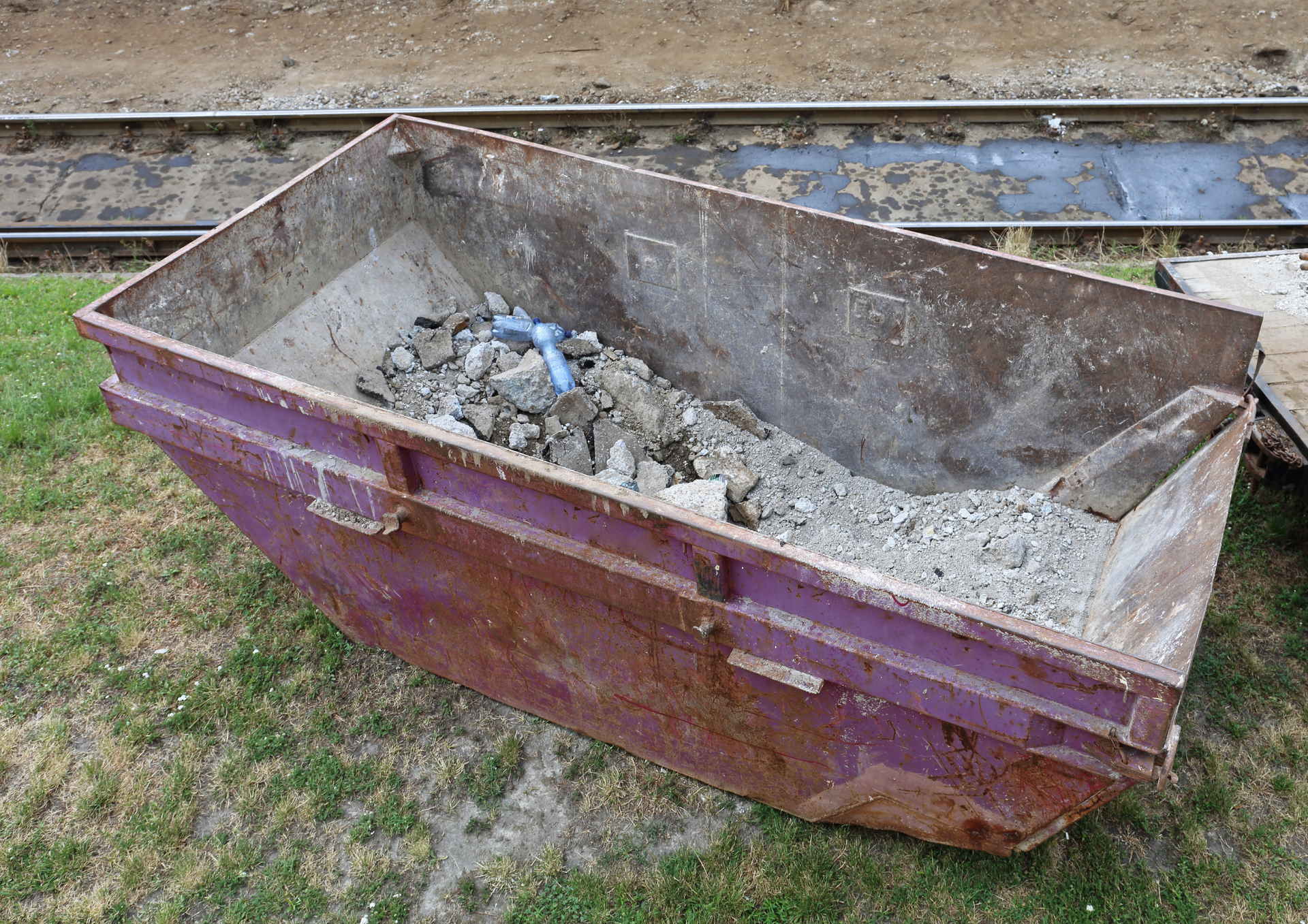
Broken concrete, old paving slabs, bricks, soil, gravel, sand, timber, and packaging materials can quickly accumulate if they are not removed efficiently. Organising waste management before work begins helps projects progress more smoothly from the first stage of excavation through to the final clean-up. Keeping waste contained in one place reduces clutter, improves site organisation, and makes it easier for contractors and property owners to work safely throughout the renovation.
Many homeowners focus on selecting paving materials, colours, and landscaping features while overlooking how waste will be managed. Planning ahead avoids unnecessary interruptions and helps maintain a tidy working environment as the project develops.
Planning Waste Removal Before Renovation Work Begins
Successful renovation projects begin long before the first paving slab is lifted. Careful planning allows homeowners, landlords, surveyors, local authorities, and contractors to coordinate deliveries, arrange equipment, and prepare the working area for efficient progress.
One of the most important considerations is identifying the types of waste likely to be produced. Driveway and patio renovations often generate a mixture of materials, including concrete, bricks, stone, tarmac, soil, hardcore, gravel, sand, timber edging, fencing components, packaging, and vegetation. Estimating these materials in advance makes selecting suitable waste capacity considerably easier.
Access to the property should also be assessed before work starts. Narrow driveways, shared access routes, sloping ground, overhead cables, parked vehicles, trees, gates, and boundary walls may all influence where waste containers can be positioned most effectively. Thinking about these factors early helps reduce disruption once construction begins.
Renovation work frequently progresses in stages. Initial excavation removes existing surfaces before foundations are prepared. New sub-bases are installed before paving, edging, drainage, or decorative finishes are completed. Waste volumes often increase at different points during these stages, making forward planning particularly valuable.
Surveyors involved in larger developments frequently assess access arrangements, material handling, and waste management as part of wider project planning. Organised waste removal contributes towards maintaining productive working conditions while reducing unnecessary delays caused by accumulated debris.
For commercial properties, organised waste handling is equally important. Retail premises, offices, industrial units, educational buildings, hospitality venues, and public spaces often require renovation work to be completed with minimal disruption to everyday operations. Efficient waste management supports smoother project delivery while helping maintain clean surrounding areas.
Some projects involve removing only a relatively small amount of paving, while others require complete excavation before rebuilding begins. Understanding the overall scope of work helps determine suitable waste arrangements before contractors arrive on site.
Many customers searching for cheapest skip hire near me naturally compare different options before booking. While affordability remains important, selecting suitable capacity and arranging collection at appropriate times often provides greater overall value by helping work continue without unnecessary interruptions.
Choosing the Right Skip for Driveway and Patio Waste
Choosing the right waste solution begins with understanding the type and volume of materials your renovation is likely to produce. Every driveway and patio project differs in size, complexity and waste output, so considering the scope of the work beforehand helps keep the project organised and allows work to progress efficiently.
Types of Waste Produced
- Concrete and Hardcore – Driveway renovations often involve breaking up existing concrete bases, producing large quantities of heavy rubble and hardcore.
- Paving Materials – Old paving slabs, block paving, mortar, edging blocks and decorative gravel are commonly removed before new surfaces are installed.
- Landscaping Waste – Soil, turf, roots, unwanted plants and garden features are often cleared when creating new patios or redesigning outdoor spaces.
- Construction Materials – Sand, stone, compacted sub-base materials and surplus building products may accumulate throughout the installation process.
Matching the Skip to Your Project
- Small patio replacements generally produce modest amounts of paving and soil.
- Complete driveway reconstructions often generate substantial volumes of concrete, rubble and excavated materials.
- Selecting suitable capacity helps avoid unnecessary interruptions caused by waste containers filling too quickly.
- Oversized containers may occupy valuable space that could otherwise be used for construction work.
Project Planning Considerations
- Estimate the likely volume of waste before work begins.
- Arrange collections around the expected pace of demolition and construction.
- Allow flexibility for unexpected discoveries such as buried foundations, old drainage channels or additional layers of construction beneath existing surfaces.
- Consider available property space when positioning waste containers.
Residential and Commercial Projects
- Domestic renovations commonly involve replacing patios, driveways, pathways and landscaped gardens.
- Commercial developments may include courtyards, access roads, retail forecourts and communal outdoor spaces.
- Surveyors often include waste management within wider refurbishment planning to help maintain productivity and site organisation.
Short-Term Renovation Projects
Many customers undertaking smaller improvements appreciate the convenience of 1 day skip hire near me when completing straightforward renovation work over a planned weekend or short construction period. Short-term arrangements can provide an efficient solution where waste removal is only required for a limited time.
Every Project is Different
- Ground conditions can significantly affect excavation volumes.
- Existing construction methods influence the amount of demolition required.
- Property access restrictions may affect waste management arrangements.
- Individual customer requirements often determine the most suitable waste solution for each renovation.
Keeping Renovation Projects Organised from Start to Finish
Keeping a driveway or patio renovation organised requires effective waste management from the first day of work until the final clean-up. Every stage of the project produces different types of waste, so removing materials regularly helps maintain a tidy site, supports efficient working practices and allows the renovation to progress without unnecessary interruptions.
Demolition and Surface Removal
- Remove old paving slabs, concrete, tarmac, block paving, kerbs and edging materials before excavation begins.
- Clear heavy materials regularly to prevent them from occupying valuable working space.
- Keep demolition waste contained to maintain safe and organised access around the site.
Excavation and Ground Preparation
- Excavate soil, clay, stones and hardcore to prepare suitable foundations for new surfaces.
- Be prepared for larger-than-expected excavation volumes if ground conditions differ from initial expectations.
- Manage excavated materials throughout the project to avoid unnecessary build-up.
Foundation and Installation Waste
- Dispose of surplus aggregates, drainage products, geotextile membranes and levelling materials as work progresses.
- Remove packaging from construction materials regularly to keep working areas clear.
- Collect offcuts from paving slabs, blocks, edging stones and decorative materials to reduce clutter and improve efficiency.
Landscaping and Final Finishing
- Manage green waste such as turf, plants, roots and decorative garden materials alongside construction debris.
- Separate different waste types where appropriate to simplify the final site clearance.
- Keep completed sections clear to protect newly installed paving and landscaping features.
Site Organisation for Different Properties
- Residential Properties – Keep waste contained to maintain access to garages, entrances, pathways and other areas used during the renovation.
- Commercial Properties – Organise waste carefully to minimise disruption for customers, employees, suppliers and visitors while work continues.
- Public Projects – Local authorities often work to planned schedules, making consistent waste removal important for maintaining project progress.
- Large Developments – Surveyors recognise that organised sites improve workflow, making materials easier to locate while allowing machinery and contractors to work more efficiently.
Managing Waste Throughout the Project
- Continue removing waste throughout each phase rather than waiting until the end of the renovation.
- Prevent unnecessary build-up that can reduce available working space.
- Keep the site organised regardless of whether the project lasts a few days or several weeks.
Continuous Waste Management
Many customers exploring skip rental near me appreciate having a practical solution that allows construction waste to be managed continuously instead of making repeated trips to disposal facilities. This helps homeowners and contractors concentrate on completing the renovation while keeping the site clean and organised throughout the project.
Practical Considerations When Arranging Skip Hire
Planning waste removal before renovation work begins helps ensure driveway and patio projects progress efficiently from start to finish. Every property has different access requirements, available space and construction challenges, so taking practical considerations into account before work starts can reduce delays and keep the site organised throughout the renovation.
Assessing the Property Before Work Begins
- Consider available access, neighbouring properties and the overall scale of the renovation.
- Identify suitable areas for waste storage before construction starts.
- Plan waste removal around the layout of the property to improve efficiency throughout the project.
Positioning the Waste Container
- Place the waste container close to the working area to reduce unnecessary carrying distances.
- Keep entrances, garages, pathways and pedestrian routes clear throughout the renovation.
- Position the container where contractors can dispose of materials quickly without interrupting ongoing work.
Access and Space Considerations
- Assess narrow driveways, shared access routes, gates and sloping ground before arranging waste removal.
- Consider any restrictions that may affect equipment or material handling.
- Planning around site limitations early helps avoid unnecessary adjustments during construction.
Preparing for Unexpected Discoveries
- Older properties may contain buried paving, historic foundations or disused drainage systems beneath existing surfaces.
- Previous repairs can increase waste volumes beyond initial expectations.
- Building flexibility into the waste management plan helps accommodate unforeseen materials without delaying the project.
Managing Larger Renovation Projects
- Arrange waste removal progressively as each construction phase is completed.
- Regular site clearance helps maintain working space for contractors and machinery.
- Continuous waste management keeps each stage organised rather than allowing debris to accumulate until the end.
Local Knowledge and Planning
Customers looking for local skip hire near me often appreciate working with a provider that understands the practical requirements of both residential and commercial renovation projects. Careful planning before work begins helps create a smoother experience from the initial excavation through to the completed outdoor space.
Benefits of an Organised Waste Management Plan
- Allows contractors to concentrate on construction rather than clearing accumulated waste.
- Keeps access routes available for deliveries, machinery and tradespeople.
- Supports homeowners, landlords, surveyors and local authorities managing renovation projects of different sizes.
- Helps maintain a tidy and productive working environment throughout every stage.
Coordinating Multi-Stage Renovations
- Larger projects often involve groundworkers, landscapers, drainage specialists, paving installers and builders.
- Coordinating waste removal alongside each phase helps maintain efficient workflow.
- Regular collections prevent unnecessary build-up and allow construction to continue without interruption.
Planning for a Successful Project
- Assess likely waste volumes before renovation begins.
- Consider property access and available working space.
- Arrange suitable waste collections around the construction schedule.
- Prepare for efficient site organisation from demolition through to the final clean-up.
Keeping Renovations Running Smoothly
For many property owners, searching for skip hire near me is one of the first practical steps when planning outdoor improvements. Organising waste removal from the outset helps ensure concrete, paving, bricks, soil and other construction materials are managed efficiently throughout the project.
For projects of every size, arranging skip hire near me before work begins provides a straightforward way to keep unwanted materials under control, allowing renovations to progress efficiently from the first excavation to the final site clearance.
At
Skip Hire Telford, we are committed to providing clear, practical and reliable information that helps customers make informed decisions before arranging waste removal. Our website has been created for homeowners, landlords, surveyors, local authorities and businesses seeking straightforward guidance on skip hire and waste management.
We regularly publish informative articles covering a wide range of renovation, construction and property improvement topics, helping visitors understand the most suitable approaches for different types of projects. Our content is written in clear British English, making complex subjects easy to understand without unnecessary technical language.
Whether you are planning a driveway replacement, installing a new patio, clearing landscaping waste or undertaking a larger refurbishment, our website provides useful information to help you prepare with confidence. Combined with our professional approach and commitment to dependable customer service, we aim to be a trusted resource for waste management advice and practical skip hire solutions.
Don't Miss Out on X: Keep outdoor renovation projects organised with reliable
skips.
You might also like