
What Can Be Placed Inside Skips During Home Project Waste Removal
Home improvement projects often generate far more waste than many people expect. Whether clearing a property before renovation, replacing kitchens and bathrooms, landscaping outdoor areas, or carrying out structural work, waste materials can quickly accumulate and create disruption around the site.
Proper waste management helps maintain safer working conditions, improves organisation, and allows projects to progress more efficiently for homeowners, landlords, surveyors, and local authorities managing residential and commercial properties. Many people using skips during renovation or clearance work are unsure about which materials are suitable for disposal.
Understanding what can safely be placed inside a container helps avoid delays, collection problems, or issues caused by unsuitable waste being mixed together. Different projects generate different waste streams, and recognising these categories makes the entire process more manageable from start to finish.
Property renovations frequently involve a mixture of household items, construction debris, garden materials, packaging waste, and damaged fittings. Some materials are straightforward to dispose of, while others may require specialist handling or separate collection arrangements. Careful planning before waste removal begins helps maintain cleaner work areas and supports smoother project management throughout the duration of the work.
Household Materials Commonly Placed Inside Skips
Household clearance and renovation projects can produce a wide range of waste materials throughout the property. Using skips and organising waste into categories helps property owners and contractors manage disposal more effectively while maintaining cleaner and safer working areas during ongoing projects.
- General Household Clearance Waste
- Broken shelving
- Damaged cupboards
- Old household fittings
- Non-electrical furniture
- Loft and garage clearance items
- Packaging materials
- Kitchen and Bathroom Renovation Waste
- Old cabinets and units
- Sinks and fixtures
- Wall coverings
- Sections of flooring
- Tiles and plasterboard
- Timber offcuts
- Soft Furnishings and Interior Materials
- Carpets and underlay
- Curtains and blinds
- Wooden furniture
- Non-contaminated household materials
- Decorative interior waste
- Project Planning and Waste Management
- Assess the expected waste volume before work begins
- Avoid overfilling containers during loading
- Distribute heavier materials evenly
- Maintain safer access around the property
- Keep work areas cleaner and more organised throughout the project
Building, Renovation, and Landscaping Waste
Construction, renovation, and landscaping projects often generate large volumes of waste throughout different stages of the work. Many property owners and contractors choose to order a skip to help manage debris more efficiently, maintain cleaner working environments, improve site access, and support safer waste handling for residential and commercial properties.
- Construction and Renovation Waste
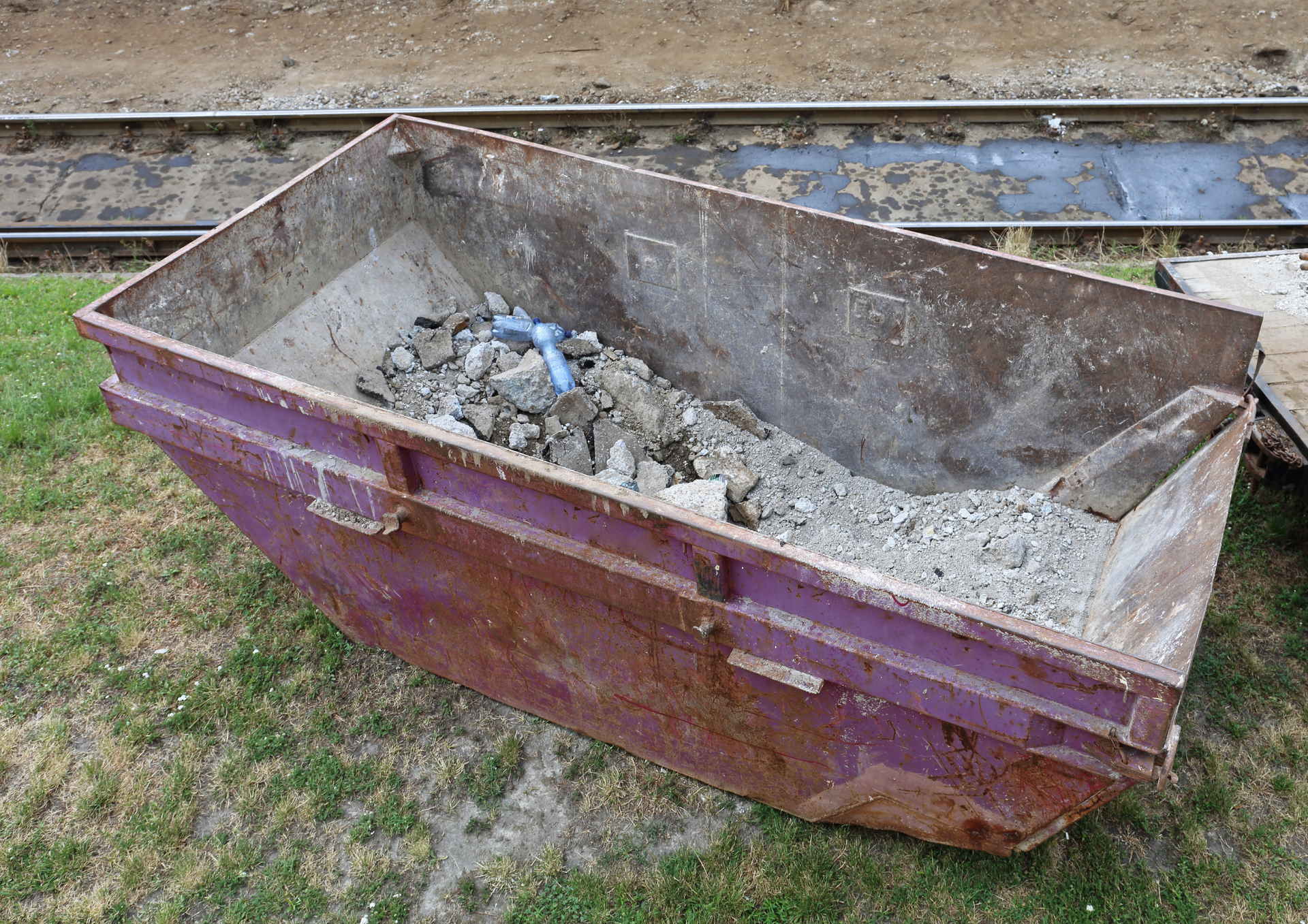
- Bricks and rubble
- Concrete and plaster
- Tiles and timber
- Soil and hardcore materials
- Waste from extensions and structural alterations
- Roofing and demolition debris
- Garden and Landscaping Waste
- Soil and turf
- Branches and hedge trimmings
- Fencing panels
- Paving slabs
- Old decking materials
- Outdoor clearance debris
- Commercial Property Refurbishment Waste
- Suspended ceilings
- Office partitions
- Shelving systems
- Old flooring materials
- Building refurbishment waste
- General commercial clearance materials
- Heavy Waste Handling Considerations
- Distribute heavy debris evenly during loading
- Avoid stacking waste above container edges
- Maintain stable loading conditions for transportation
- Prevent unnecessary strain on containers
- Keep access routes clear during ongoing work
- Packaging and Delivery Waste
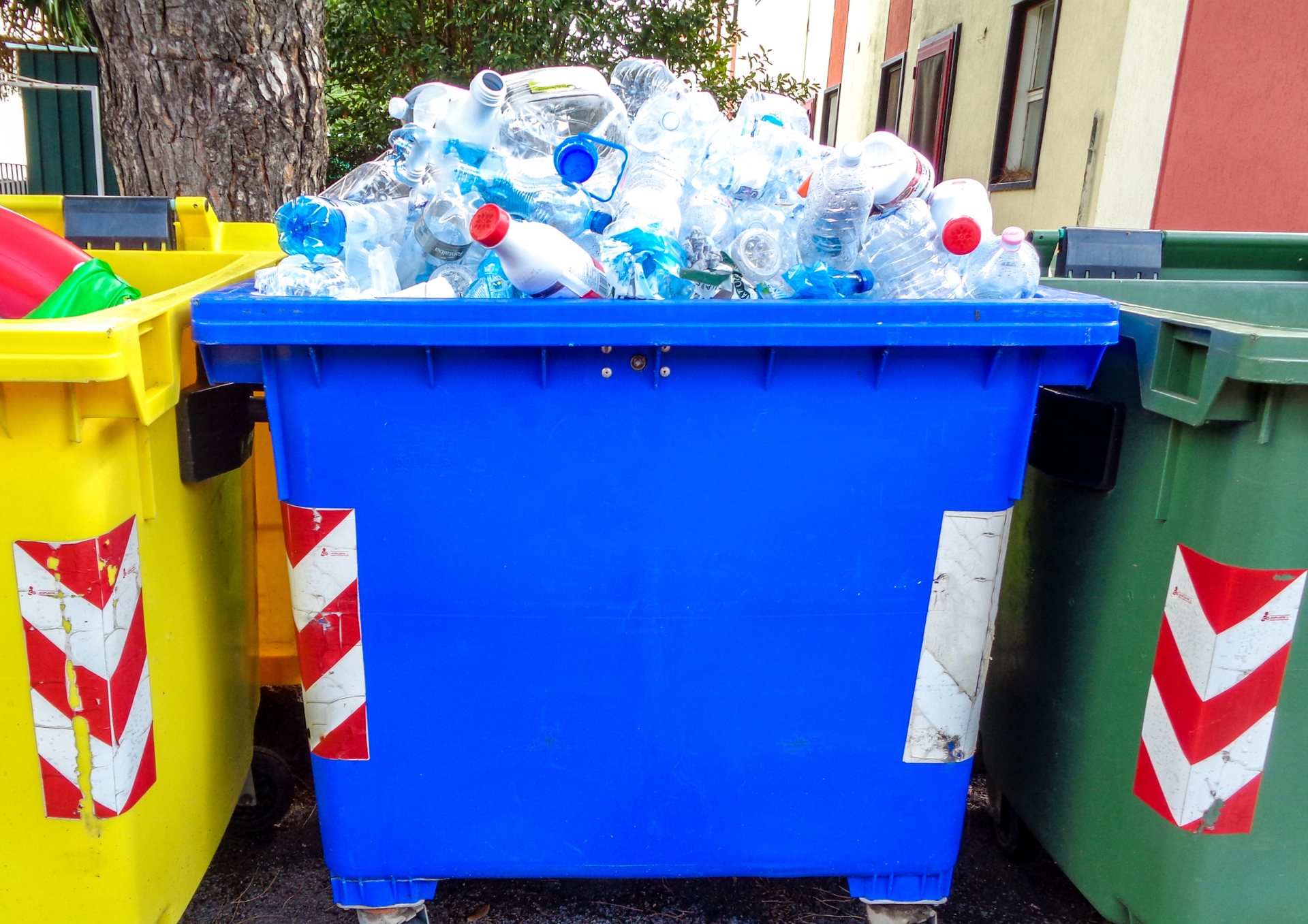
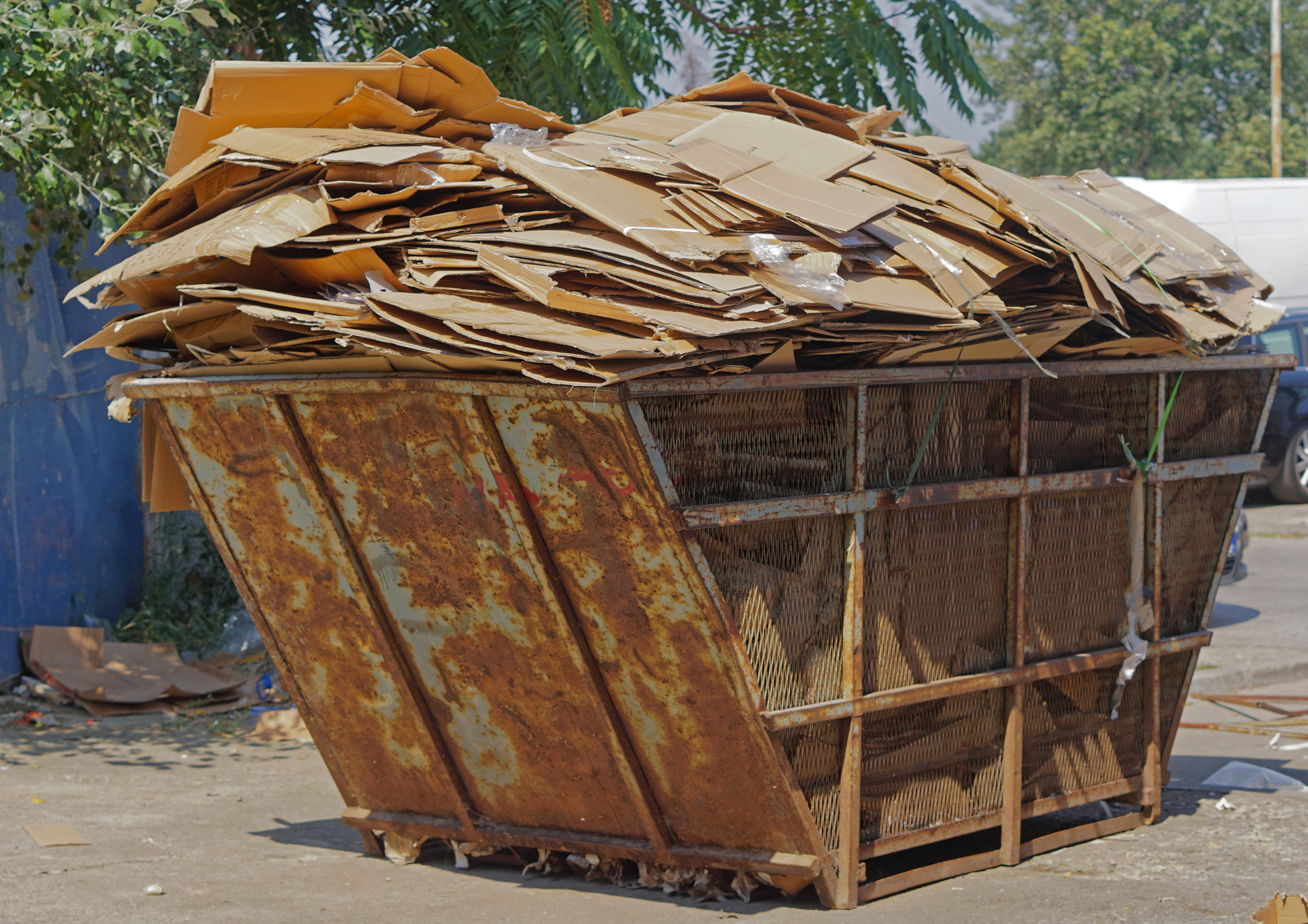
- Cardboard packaging
- Plastic wrapping
- Protective delivery materials
- Packaging from building supplies
- Furnishing delivery waste
- Lightweight recyclable materials
Items That Normally Require Separate Disposal
Some materials generated during property clearances and renovation work cannot usually be placed inside general waste containers arranged through skip online services. Certain items require separate handling due to recycling requirements, environmental regulations, or specialist disposal procedures. Understanding these restrictions before work begins can help prevent delays and support smoother waste management throughout the project.
- Electrical Appliances and Electronic Waste
- Refrigerators and freezers
- Televisions and monitors
- Computer equipment
- Small electrical appliances
- Items containing electrical components requiring specialist recycling
- Hazardous or Restricted Materials
- Paint products
- Chemicals and solvents
- Oils and liquid substances
- Gas cylinders
- Hazardous building materials
- Contaminated waste products
- Tyres and Specialist Furnishings
- Vehicle tyres
- Mattresses
- Upholstered seating
- Specialist furniture requiring separate disposal arrangements
- Older Renovation Materials Requiring Assessment
- Unidentified construction materials
- Potentially hazardous substances
- Older insulation or building products
- Materials requiring specialist inspection before removal
- Waste Planning Considerations
- Confirm disposal guidance before starting larger projects
- Separate restricted items from general waste
- Arrange specialist collections where required
- Seek professional guidance when uncertain about disposal requirements
- Plan waste handling carefully during larger renovation and clearance work
Managing Waste More Efficiently During Property Projects
Effective waste management is not only about removing rubbish once a project is complete. Organised waste handling throughout ongoing work helps maintain productivity, improves site safety, and reduces unnecessary disruption for both residential and commercial properties.
Separating heavier construction materials from lighter household waste often makes loading easier and helps maximise available space. Timber, metal, rubble, and recyclable materials can frequently be grouped more efficiently when organised gradually during the project rather than discarded randomly throughout the process.
Access planning also plays an important role during property work. Containers should be positioned carefully to allow safe loading while maintaining access routes for vehicles, pedestrians, contractors, and neighbouring properties where necessary. This is particularly important within shared residential areas, commercial premises, or public-facing properties where movement around the site remains ongoing throughout the project.
Property owners managing large renovations often underestimate how quickly waste accumulates during demolition and installation stages. Using skip's during ongoing work helps create a cleaner working environment while reducing trip hazards, improving organisation, and preventing unnecessary obstruction around the site.
For landlords preparing rental properties, organised waste management can also support faster turnaround times between occupancies. Removing damaged fixtures, old furnishings, and renovation debris efficiently allows cleaning, repairs, and refurbishment work to progress more smoothly before new tenants move into the property.
Surveyors and local authorities overseeing maintenance work may also benefit from structured waste planning during larger public or commercial projects. Maintaining organised working areas can improve overall project coordination while supporting better access for inspections and ongoing site operations.
Skip Hire Telford provides practical waste removal support for a wide range of residential and commercial property projects throughout the local area. Our website is designed to help customers arrange straightforward waste management solutions with clear information and an organised booking process suitable for both small domestic work and larger property clearance projects.
We understand that homeowners, landlords, contractors, surveyors, and local authorities often require dependable waste handling during time-sensitive projects. Our approach focuses on practical support, organised service, and reliable skips to help customers manage waste more effectively throughout renovation, maintenance, landscaping, and refurbishment work.
Update on X: How
skips help manage waste during home improvement work.
You might also like